Walls and Ceilings Ready for Finishing
Drywall Installation and Repair in Passaic for remodeling projects and damaged interior surfaces
Cracks, holes, and uneven wall surfaces left by plumbing repairs, electrical work, or impact damage require drywall repair that restores smooth, paint-ready finishes. Mendoza Construction Corp handles drywall installation and repair in Passaic for remodeling projects, renovations, and spot repairs, applying joint compound in progressive coats that feather smoothly into surrounding surfaces. The work involves cutting damaged sections cleanly, fitting replacement drywall precisely, taping seams with paper or mesh tape, and applying multiple layers of compound that are sanded progressively finer until the repair becomes invisible under primer and paint.
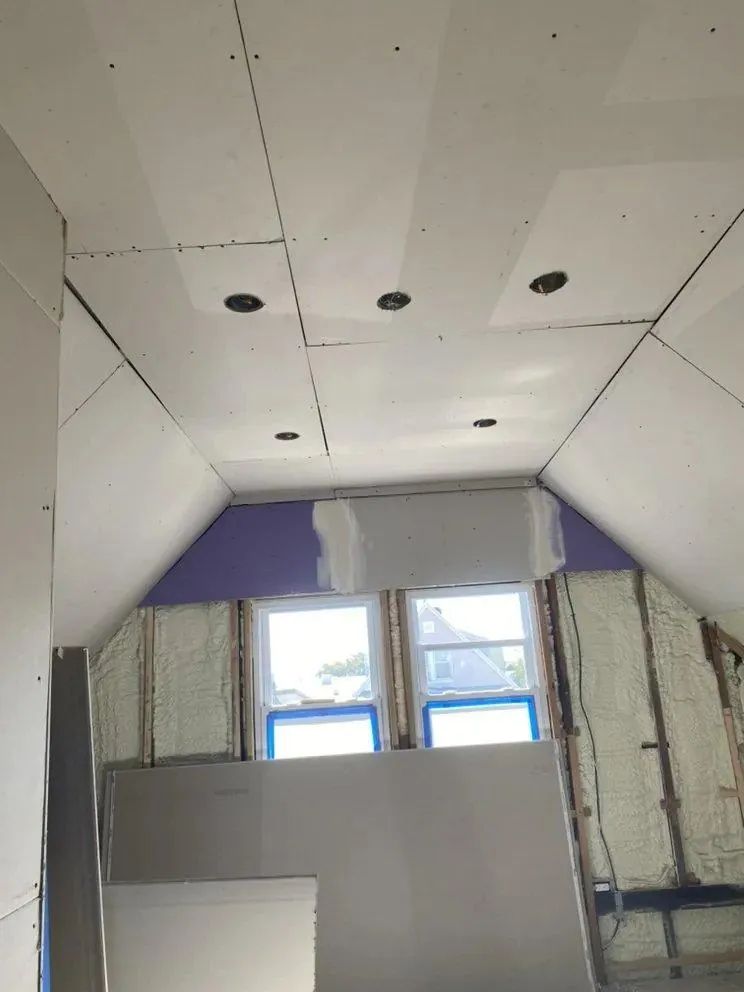
Drywall installation during remodels involves measuring and cutting sheets to fit wall and ceiling framing, fastening panels with screws spaced to prevent sagging or fastener pops, and finishing all seams and screw dimples with tape and compound. The process requires multiple coats with drying time between each application, followed by sanding that removes ridges and imperfections without creating low spots. Proper technique ensures finished walls accept paint evenly without shadows, bumps, or visible seam lines.
Schedule an estimate to assess your drywall installation or repair needs.
Why Smooth Finishes Matter for Final Results
Smooth drywall finishes provide the foundation for paint, wallpaper, or texture applications that define a room's final appearance. Installation quality affects how well seams disappear, how flat ceilings look under angled light, and whether fasteners remain concealed after painting. Repairs involve matching existing texture and blending edges so patched areas become undetectable once primed and painted, a process that requires skill in feathering compound and matching surface profiles.
After drywall work completes, walls and ceilings present uniform surfaces ready for paint or other finishes, with no visible seams, cracks, or fastener dimples that distract from the room's appearance. Repaired areas blend seamlessly into surrounding surfaces, and new installations provide the flat, stable substrate that prevents paint from highlighting imperfections. The work restores or creates interior surfaces that look factory-finished rather than patched or cobbled together.
Drywall repair addresses surface damage but does not fix underlying structural movement, water leaks, or mold growth, all of which require separate remediation before drywall work proceeds. Installation scope includes hanging, taping, and finishing but excludes insulation, framing, or painting unless separately contracted.
What Property Owners Usually Ask
Clients in Passaic considering drywall work often ask about repair techniques, finish quality, and how long the process takes.
What does drywall repair involve?
Damaged sections are cut away cleanly, backing is added if needed, new drywall is fitted and fastened, seams are taped, and joint compound is applied in multiple coats that are sanded progressively smoother until the repair becomes invisible.
How many coats of compound are needed?
Most repairs require three coats—an embedding coat over tape, a second coat to fill and smooth, and a final skim coat that feathers edges. Each coat must dry fully before sanding and applying the next layer.
What's the difference between repair and installation?
Repairs address isolated damage by patching small areas and blending them into existing surfaces. Installation involves hanging full sheets across entire walls or ceilings, typically during remodeling or new construction, and finishing all seams and fasteners from scratch.
When should drywall work happen during a project?
Drywall installation follows framing, insulation, and rough-in work for electrical and plumbing, but precedes painting, trim, and flooring. This sequencing protects finished surfaces from construction damage while ensuring walls are ready for final finishes.
How do you ensure repairs match existing texture?
Compound is feathered thinly at edges to blend into surrounding surfaces, and texture patterns are matched using brushes, rollers, or spray equipment depending on the existing finish. Priming before painting further conceals repair boundaries.
Mendoza Construction Corp completes drywall installation and repair throughout Passaic with attention to smooth finishes that prepare surfaces for final painting. Request an estimate to discuss your project requirements and timeline.